
Elon Musk Files Lawsuit Against OpenAI Over Mission Allegations
A significant legal dispute has emerged concerning the foundational principles of OpenAI, as co-founder Elon Musk alleges a departure from its original non-profit mission.
Most Popular
OpenAI releases GPT-5.5 and the reliability gap to Claude 4.7 finally closes
An incremental version-bump in the naming, a non-incremental shift in what the model can finish without supervision. SWE-bench scores at parity, agentic-task durations comparable, multi-modal capabilities broader.

OpenAI quietly opens ChatGPT to the public, and the internet rearranges itself overnight
A research preview of a chat-tuned GPT-3.5 was put behind a free login on a Wednesday afternoon. By Sunday it had crossed a million users and reshaped the conversation about AI for the rest of the decade.
Anthropic launches Dispatch and packages agentic AI as a managed workflow service
Long-running, schedulable, observable agentic tasks with retry semantics, audit trails and a human-approval interface. The product is the agentic-AI equivalent of a CI runner.
Latest

Anthropic ships Claude Design and the AI-augmented design tool gets its first credible incumbent challenger
A design-and-prototyping product built on top of Claude, with vector primitives, component versioning, and an agent that turns design intent into editable artifacts. The product itself is competent. The market it enters is the more interesting story.

Anthropic ships Claude 4.7 with a one-million-token context window for Sonnet and Opus
A million tokens of context across the Sonnet and Opus tiers, agentic-task improvements, and the first publicly-available frontier model that can hold an entire mid-sized codebase in working memory.
Anthropic launches Project Glasswing and Claude Mythos, an AI built to find vulnerabilities humans missed for decades
A frontier model trained to autonomously discover zero-day flaws in operating systems, browsers and open-source code, deployed alongside an industry consortium that reads like a Who's Who of the affected vendors.

Anthropic introduces Workflow and the multi-agent operations question gets a first answer
A coordination layer for agentic AI: declarative workflow definitions, agent-to-agent messaging, and a planner. The framing is workflow orchestration. The substance is closer to operating-system primitives.
Google launches Gemini 3 and the perceived capability gap with OpenAI and Anthropic effectively closes
Two model sizes, benchmark scores at parity with GPT-5 and Claude 4, and a serving infrastructure that runs entirely on Google's TPU stack. The technical question is largely settled. The commercial question is not.
OpenAI releases GPT-5.1 with a smarter router and the unified-model strategy starts to settle
Three months after GPT-5 hid the model picker, the 5.1 release tunes the routing and turns up speed and personality. The capability headline numbers are quiet. The default-experience numbers are not.

Anthropic ships Skills, and a new shape for distributing AI capabilities lands
Bundled prompts, scripts and resources Claude can pick up at runtime. The framing is modest. The implications for how AI capabilities are versioned, audited, and shipped are not.
Anthropic releases Claude 4.5 Sonnet and the working frontier shifts again
An incremental version-bump in the naming, a non-incremental capability shift in the substance. Claude 4.5 Sonnet's coding-benchmark numbers extended Anthropic's lead on agentic software work.
Anthropic raises 13 billion dollars at a 183-billion-dollar valuation and the funding-versus-revenue debate intensifies
Series F led by ICONIQ Capital with sovereign-fund participation. The valuation is roughly triple the prior round, nine months earlier. The annualised revenue figure that justified it was the more closely scrutinised data point.

OpenAI launches GPT-5 and the model-name chapter quietly closes
A unified model that hides the routing, retires most of the GPT-4-class line-up, and treats reasoning, multimodality and tool use as standard issue. The release was less a benchmark event than a product cleanup.
Perplexity ships Comet and the agentic browser becomes a category
A Chromium-based browser with an answer engine and an agent that fills forms, books flights, and makes payments. The utility is real. The trust model is the part to watch.
Anthropic ships Claude 4 Opus and Sonnet, and the coding-benchmark frontier moves a non-trivial amount
A two-model release, headline numbers on SWE-bench Verified above seventy per cent, and a Claude Code product that turned the model into a developer-tool primitive.
OpenAI releases GPT-4.1 and the model-naming chapter starts to look ridiculous
A three-model release at lower prices and longer contexts, with naming so confusing the launch post had to include a 'which model should I use' diagram.
Anthropic introduces Claude 3.7 Sonnet and reasoning stops being a separate product tier
Hybrid-thinking is the design choice that mattered. The model can extend its reasoning at inference time on a setting, and the field's product structure quietly resets.

Paris hosts the third AI summit and the regulatory consensus that emerged at Bletchley quietly fractures
Sixty heads of state, a 109-billion-euro French sovereign-AI commitment, a 'Statement on Inclusive and Sustainable AI', and the United States and the United Kingdom declining to sign.
DeepSeek's R1 lands on the open web and the frontier-AI cost curve flinches
A Chinese lab few in the West had been watching closely shipped a reasoning model competitive with OpenAI's o1 and a paper claiming it had been trained for under six million dollars. The market reaction was less about the model and more about what the model implied.

OpenAI's o3 announcement clears the ARC-AGI benchmark and the field's headline metric is briefly retired
A model not yet shipping, a benchmark designed to be hard, and a per-query inference cost that became the most-discussed number in AI research that month.

OpenAI launches a 200-dollar-a-month ChatGPT Pro tier and pricing for premium AI catches up to enterprise software
Unlimited o1-pro, advanced voice, the full Sora rollout. The number was the news. Nine months later it had stopped looking high and started looking ordinary.

Anthropic ships Computer Use and agentic AI moves from demo videos to a feature you can invoke
Claude can now move a mouse and click a button. The reliability is not where it needs to be. The threshold for 'real' was crossed regardless.

California's Governor Newsom vetoes SB 1047 and the most consequential US AI bill of the year dies short of his desk
A bill that would have imposed safety obligations on the largest training runs and indemnified whistleblowers passed both chambers comfortably. The veto letter took the trouble of saying why.
OpenAI launches o1 and reasoning becomes a paid product category
A new model family with chain-of-thought reasoning baked in at inference time, priced as a separate tier, and benchmarked on tests no large language model had previously cleared.
The EU AI Act enters into force, and three years of implementation work begin in earnest
The first comprehensive horizontal AI law on the books takes effect across the bloc. Almost nothing happens immediately. The harder question is whether the staggered timeline survives contact with the technology it is trying to regulate.
Meta releases Llama 3.1 405B and the open-weight frontier sits, briefly, at parity
An almost half-trillion-parameter model with downloadable weights, benchmark numbers competitive with GPT-4o and Claude 3.5, and a 92-page paper that left almost nothing about the recipe to the reader's imagination.

Anthropic ships Claude 3.5 Sonnet and the working model for serious developers changes
A model upgrade and a feature, called Artifacts, that turned Claude.ai into something more than a chat interface. Both shipped on the same Tuesday.
OpenAI launches GPT-4o and demonstrates real-time voice the day before Google I/O
A spring product update, deliberately timed against Google's annual developer keynote. The voice demo was a year ahead of what most users would actually get.
Meta releases Llama 3 and the open-weight thesis gets its strongest evidence yet
Two model sizes, a permissive licence, and benchmarks competitive with closed-API leaders from a year earlier. Meta's bet on open-weights stops looking eccentric.

Anthropic ships the Claude 3 family and reclaims a credible frontier position
Three models, one set of benchmarks, and the first sustained challenge to OpenAI's perceived capability lead since GPT-4. The most consequential model in the line-up turned out not to be the headline one.
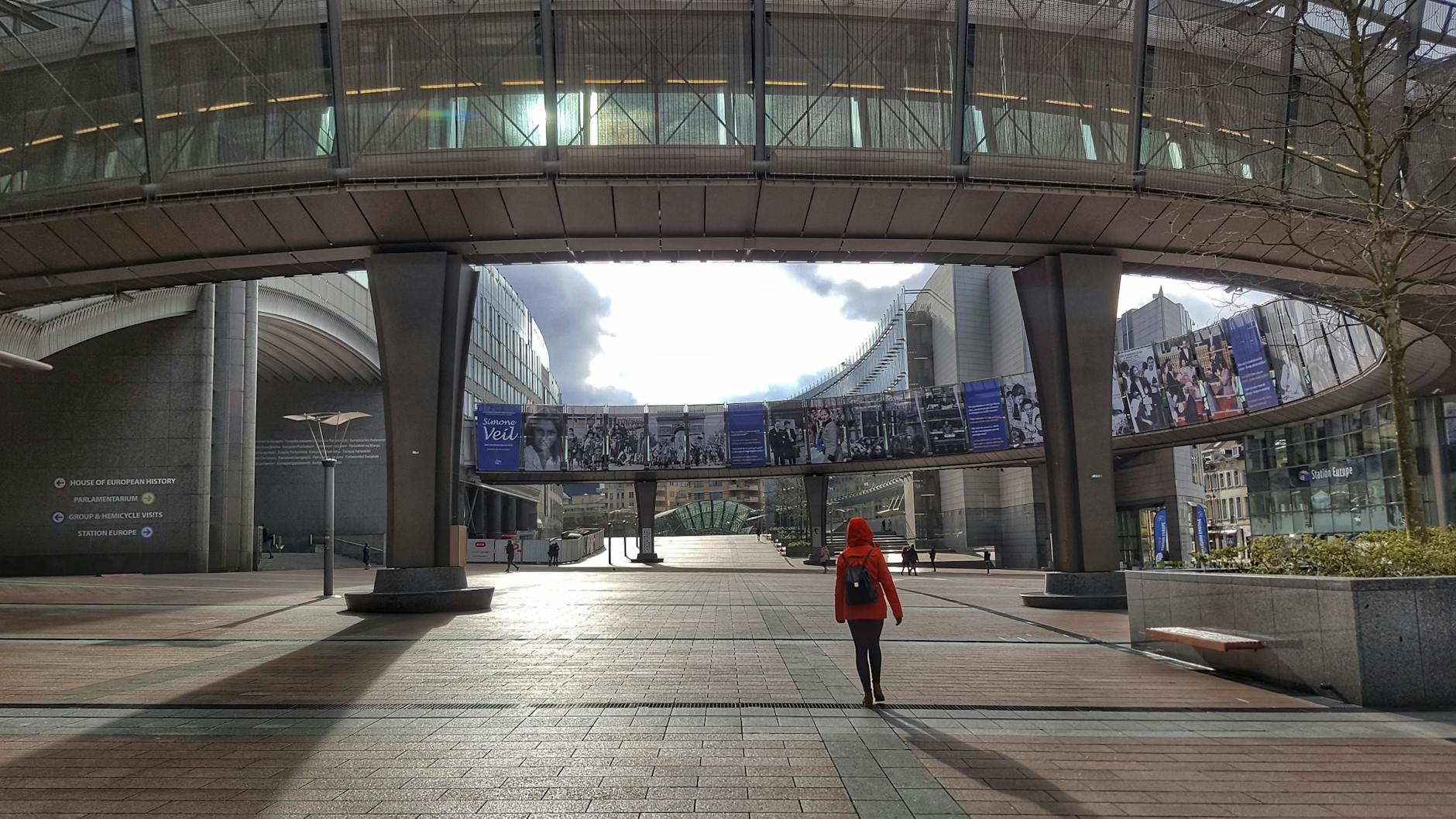
EU negotiators emerge from a 38-hour trilogue with a political agreement on the AI Act
France, Germany and Italy had pushed back against general-purpose AI obligations until late in the night. The compromise text contained a chapter that did not exist when the Commission's original proposal was tabled in 2021.

OpenAI's board fires Sam Altman, the staff threaten to follow him to Microsoft, and five days later he is back
Five days, two boards, one near-walkout of seven hundred engineers, and a governance structure that did not survive the episode it had been designed for.
OpenAI's first DevDay tries to turn ChatGPT into a platform, six days before its CEO is unexpectedly fired
Custom GPTs, the Assistants API, the GPT-4 Turbo price cut, and a roadmap for an app store. The week's events were not what anyone in the keynote room expected.
Twenty-eight governments meet at Bletchley Park and agree, for the first time, on what they fear
The UK's inaugural AI Safety Summit produced a one-page declaration on frontier risk and a quiet agreement to test the next generation of models before they ship. The substance was thin. The signal was not.
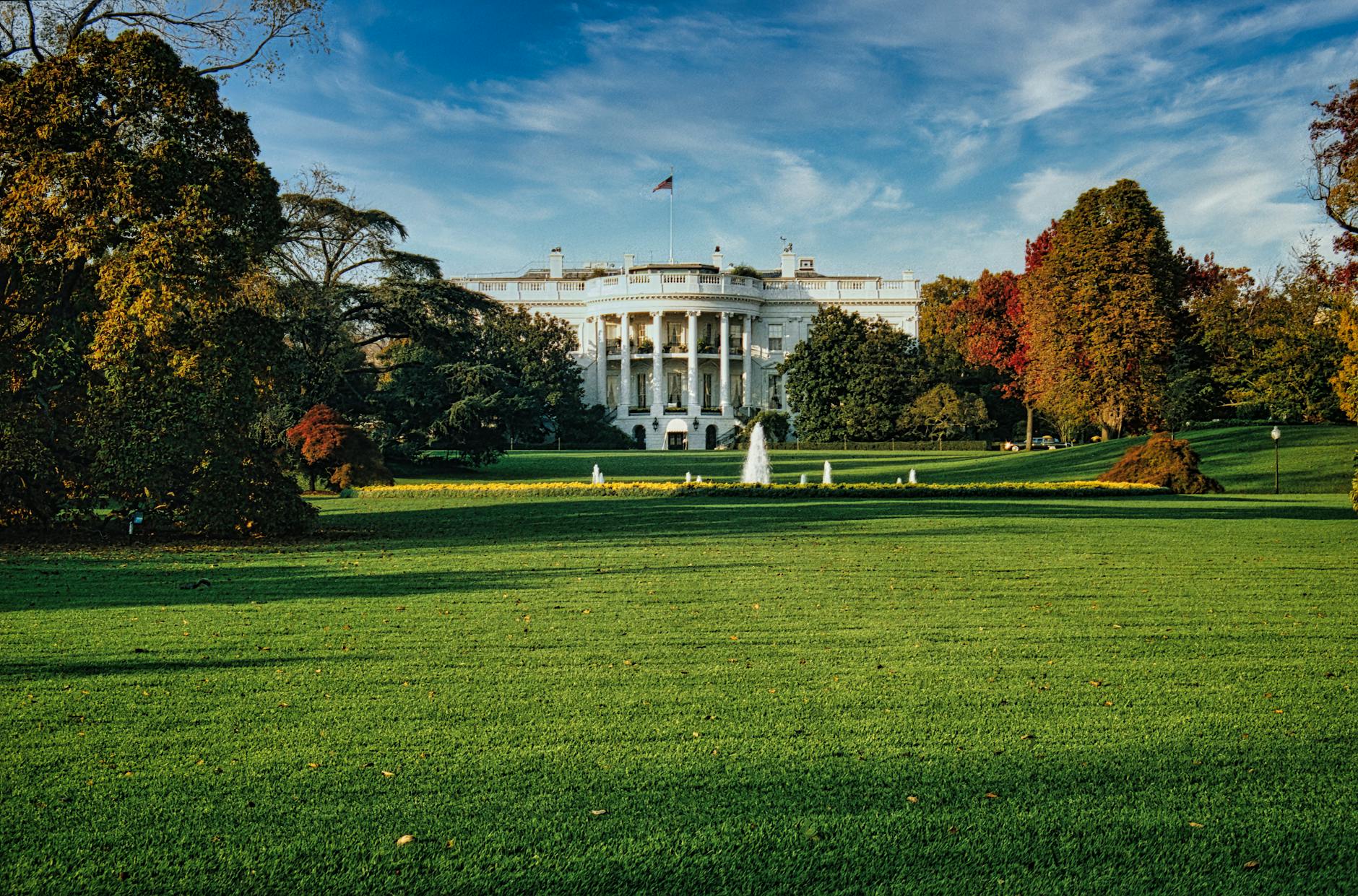
President Biden signs an AI executive order that starts to assemble the federal apparatus the United States had not built
Reporting thresholds for the largest training runs, an instruction to NIST to write standards, and a directive across half the cabinet. The order survives one presidential transition, partially.
Amazon commits up to four billion dollars to Anthropic and the cloud-AI map redraws itself
AWS becomes Anthropic's primary cloud and Trainium becomes its training-chip path. The deal is not equity in the strict sense, but in everything that matters strategically.
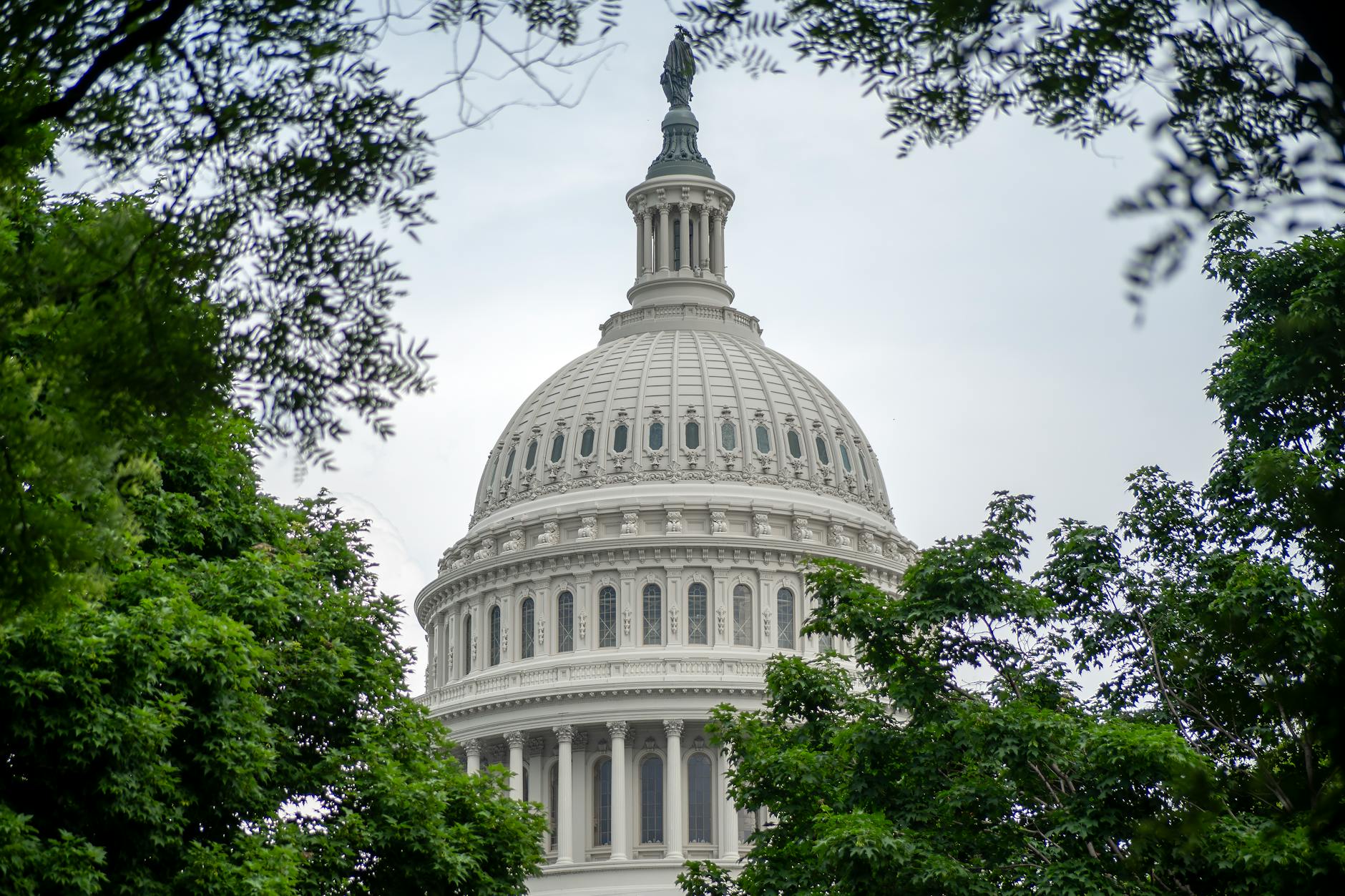
Sam Altman tells the US Senate the industry needs regulating, and a new chapter of AI policy formally begins
The OpenAI chief executive used three hours of testimony to ask senators for licensing regimes, mandatory testing and an FDA-like agency. The unusual feature was a witness asking to be regulated.

An open letter calling for a six-month pause on giant AI experiments collects 30,000 signatures and changes nothing
The Future of Life Institute letter, signed by Elon Musk, Steve Wozniak and Yoshua Bengio, asked frontier labs to halt training runs larger than GPT-4. None of them did. The letter shifted the conversation regardless.
GPT-4 arrives with a paper that says less than its capabilities suggest
OpenAI's flagship model passed the bar exam, scored in the top ten per cent on the LSAT and looked at images. The accompanying technical report declined to say how big it was, what it was trained on, or how the safety work was done.
Google's Bard demo gets a single fact wrong, and Alphabet's market cap drops by 100 billion dollars
A scripted promotional video for Google's chat-AI product showed the model attributing a James Webb space-telescope first to the wrong instrument. By the time the trading day in New York closed, the company had lost roughly the GDP of Hungary.