Sam Altman tells the US Senate the industry needs regulating, and a new chapter of AI policy formally begins
The OpenAI chief executive used three hours of testimony to ask senators for licensing regimes, mandatory testing and an FDA-like agency. The unusual feature was a witness asking to be regulated.
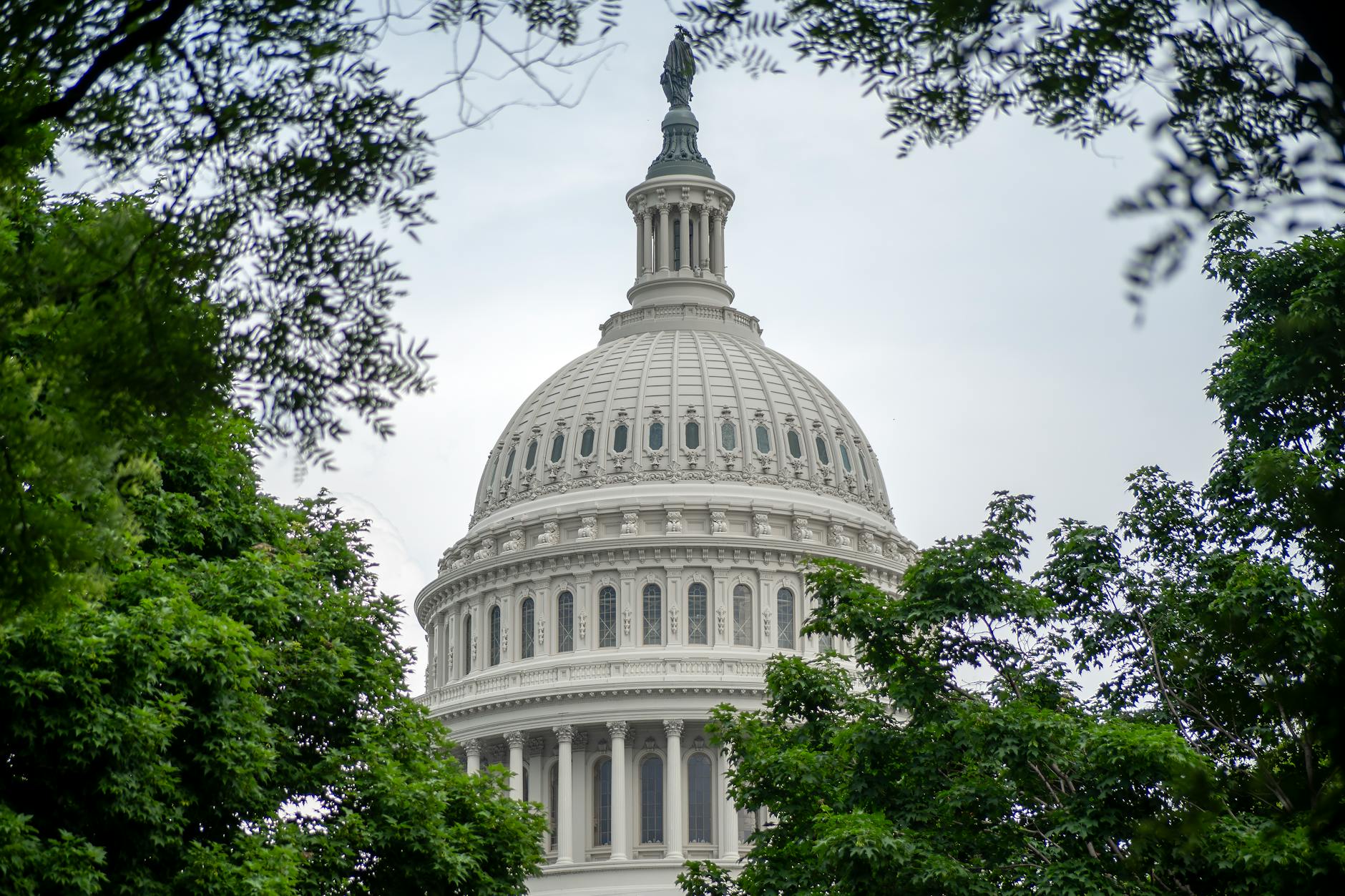
On 16 May 2023, Sam Altman appeared before the US Senate Judiciary Committee's privacy, technology and law subcommittee. He was joined by IBM's chief privacy officer Christina Montgomery and the New York University professor Gary Marcus. The hearing lasted just under three hours. The headline soundbite, repeated in nearly every news cycle for the next month, was Altman's response when asked whether he thought AI could go "quite wrong": "I think if this technology goes wrong, it can go quite wrong, and we want to be vocal about that."
What was unusual was not the warning. It was the prescription. As reported by the Associated Press and the New York Times the same evening, Altman explicitly asked the committee to consider three things: a federal licensing regime for AI developers operating above a capability threshold, mandatory pre-deployment testing for high-impact systems, and the creation of a new federal agency, often referenced as an "FDA for AI", to administer both.
Two readings of the testimony
Civil society groups split immediately. The cynical reading, articulated forcefully by the Center for AI and Digital Policy in a same-day brief, was that Altman was advocating for regulatory capture, knowing that licensing regimes typically advantage incumbents who can absorb the compliance overhead. The charitable reading, expressed by the AI ethicist Margaret Mitchell on Twitter, was that the leaders of the labs had updated their own risk assessment and were trying to lock in safety obligations while the politics were still in flux.
Both readings could be true. The licensing-regime ask, in particular, would have been comfortably accommodated by OpenAI's own infrastructure and uncomfortably challenging for many open-source projects. That asymmetry was noted at the time by Meta's chief AI scientist Yann LeCun, in a series of social-media posts that questioned the testimony's framing of risk.
It is the first time in living memory a tech chief executive used a Senate hearing to explicitly ask for an agency to be built around them.
Three years on, the substance of what Altman asked for has been only partially built. The federal licensing regime did not materialise. Pre-deployment testing exists, but voluntarily and via the AI Safety Institutes. The FDA-for-AI was sketched in the Biden Executive Order in October 2023, then quietly rolled back in early 2025. What did happen, durably, is that Senate committees and Whitehall select committees stopped having to argue from first principles about whether AI was a regulatory matter. By the end of the same week, the conversation had moved on to which agency, not whether one.


Discussion