Anthropic ships Claude 4.7 with a one-million-token context window for Sonnet and Opus
A million tokens of context across the Sonnet and Opus tiers, agentic-task improvements, and the first publicly-available frontier model that can hold an entire mid-sized codebase in working memory.

On 16 April 2026, Anthropic released Claude 4.7. The two models in the family, Sonnet and Opus, both shipped with a one-million-token context window, matching what GPT-5.2 had set as the new commercial floor in January. The pricing held the existing Sonnet and Opus tiers, with the long-context capability included rather than priced as a premium tier.
The capability shift, in the launch post and in the independent reviews from Wired, MIT Technology Review and The Verge, sat in long-context coherence. Frontier models had supported long contexts for over a year by the time of this release. The gap was that performance on long-context tasks, particularly long-context reasoning across codebases or document collections, had typically degraded substantially as the context filled up. Claude 4.7's reported long-context-degradation curve, on the public Needle-in-a-Haystack-style evaluations, was substantially flatter than its predecessors.
What an entire codebase in context actually does
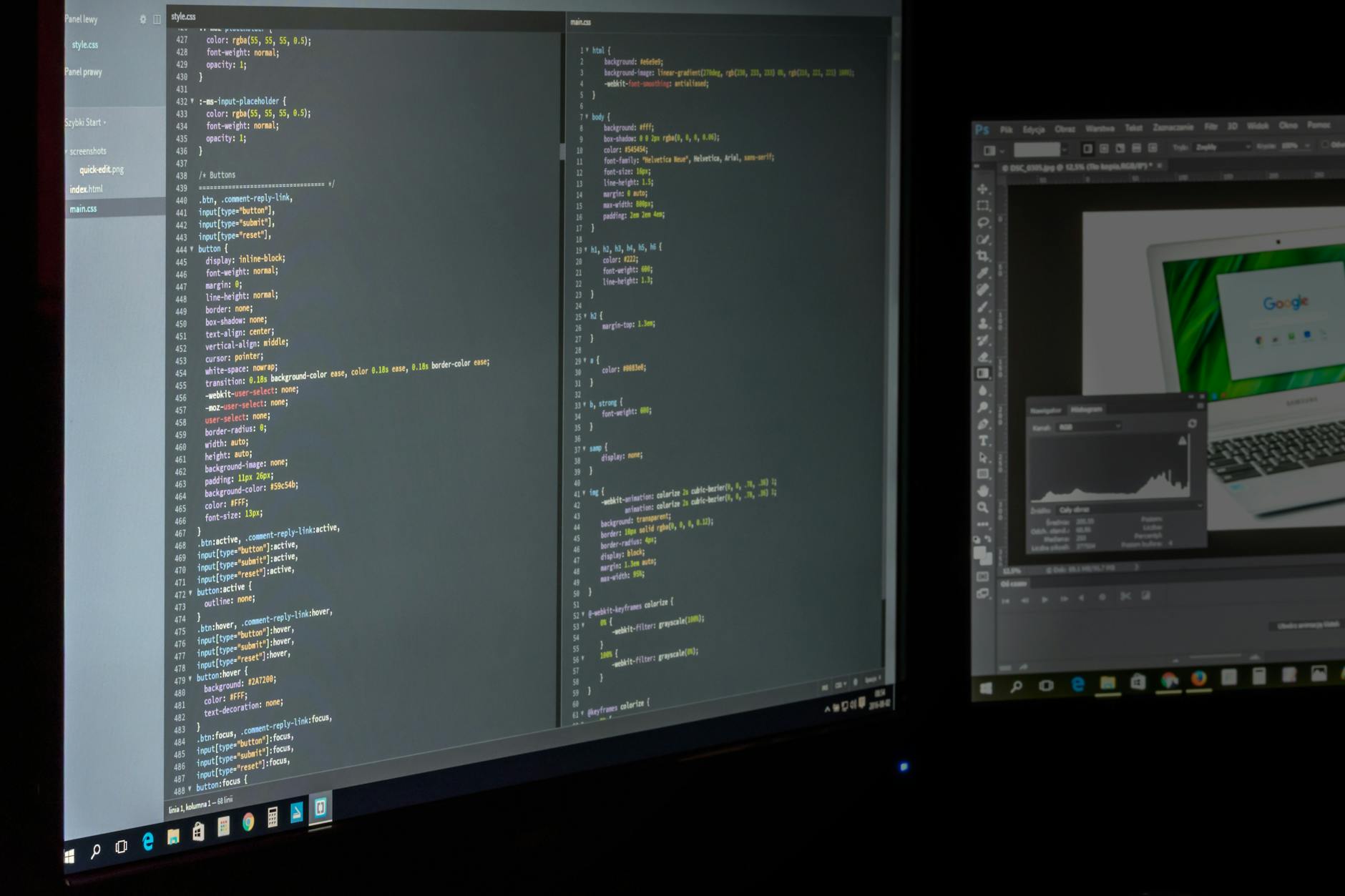
The most-tested implication was on whole-codebase software-engineering tasks. As reported in the Anthropic launch post, agentic-coding tasks that had previously required retrieval-augmented-generation pipelines to feed relevant code into the model were, with Claude 4.7, plausibly executable by simply pasting the entire mid-sized repository into the context window. For a Python codebase of around 200,000 lines (a representative mid-sized application), the token count fell within the one-million-token budget. As The Information's coverage the following week pointed out, this changes the architecture of agentic-coding products in a non-trivial way: the agent no longer needs to know which files to retrieve, because all files are already loaded.
Whole-codebase context is a different working pattern, not a quantitative improvement on the old one.
The downstream implications for the developer-tooling category that had built up around Claude Code, GitHub Copilot, Cursor and the agentic-coding tail are, as of writing, working through. The retrieval-augmented-generation patterns that had been the standard architecture for AI-assisted coding are not deprecated, but they are no longer the only architecture. The next two quarters will tell whether the working pattern shifts substantively or not.

Discussion