OpenAI's first DevDay tries to turn ChatGPT into a platform, six days before its CEO is unexpectedly fired
Custom GPTs, the Assistants API, the GPT-4 Turbo price cut, and a roadmap for an app store. The week's events were not what anyone in the keynote room expected.
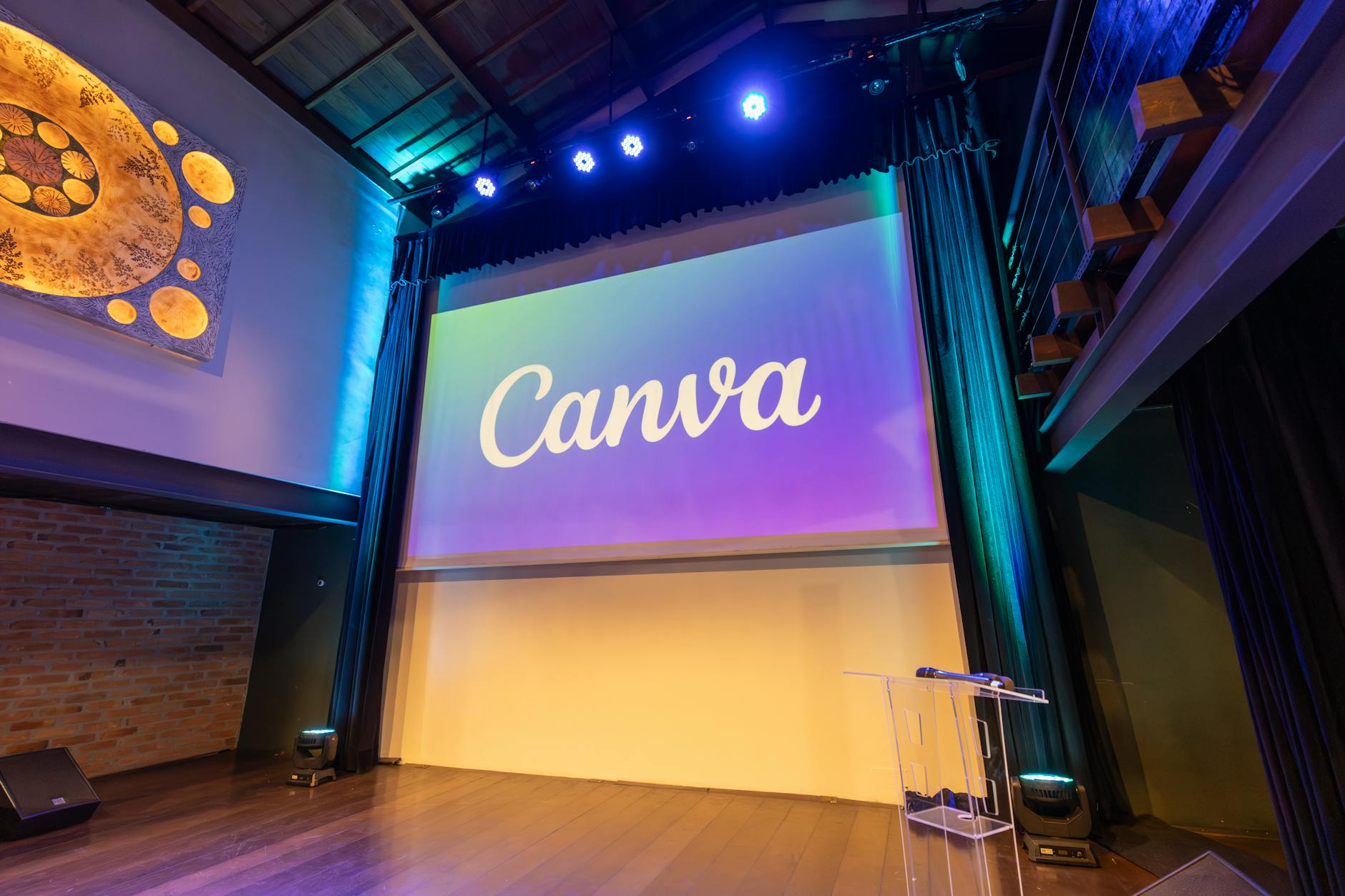
OpenAI held its inaugural DevDay on 6 November 2023, at a venue on the corner of Mission Bay in San Francisco. The keynote ran ninety minutes. Sam Altman, in the company's standard understated stage style, walked through four announcements: a new flagship model called GPT-4 Turbo with a 128 thousand-token context window and reduced pricing, an Assistants API that let developers build retrieval-grounded chat agents with tool calling, the introduction of custom GPTs that any user could configure without code, and an upcoming GPT Store that would distribute them.
The price cut was the part developers actually noticed first. Input pricing on GPT-4 Turbo dropped to one US dollar per million tokens; output, three. The previous tier had been at thirty per million for input. As reported by TechCrunch and Ars Technica from the keynote room, the audible reaction during the pricing slide was the first time the room visibly responded all session.
What the platform pivot actually meant
The implicit framing of DevDay was that ChatGPT was no longer a product. It was a distribution surface. Custom GPTs, configured in a chat-style builder by individual users, would become the unit of AI software. The GPT Store would handle the rest. The Assistants API, separately, would do the same for the developer audience. As The Information noted in coverage that week, the architectural debt of running an app store on top of a chat product would surface within six months.
Six days later, on the afternoon of Friday 17 November, the OpenAI board removed Altman as chief executive in a video call that lasted twenty minutes. The DevDay announcements, in retrospect, became the proximate trigger. The board's stated objection had been Altman's communication around them. Within five days, after a staff revolt and Microsoft pressure, he was reinstated.
Six days. Three keynotes' worth of platform ambition, then a Friday call.
The custom GPTs and the GPT Store launched on schedule in early 2024, never quite found product-market fit, and were quietly de-emphasised by the end of 2025. The price cut and the Assistants API were the parts that mattered. Both are now retrospectively read as the operational infrastructure of the LLM economy: cheap fast inference plus a tool-using agent loop, packaged as one product.
Discussion