Anthropic ships Claude 3.5 Sonnet and the working model for serious developers changes
A model upgrade and a feature, called Artifacts, that turned Claude.ai into something more than a chat interface. Both shipped on the same Tuesday.
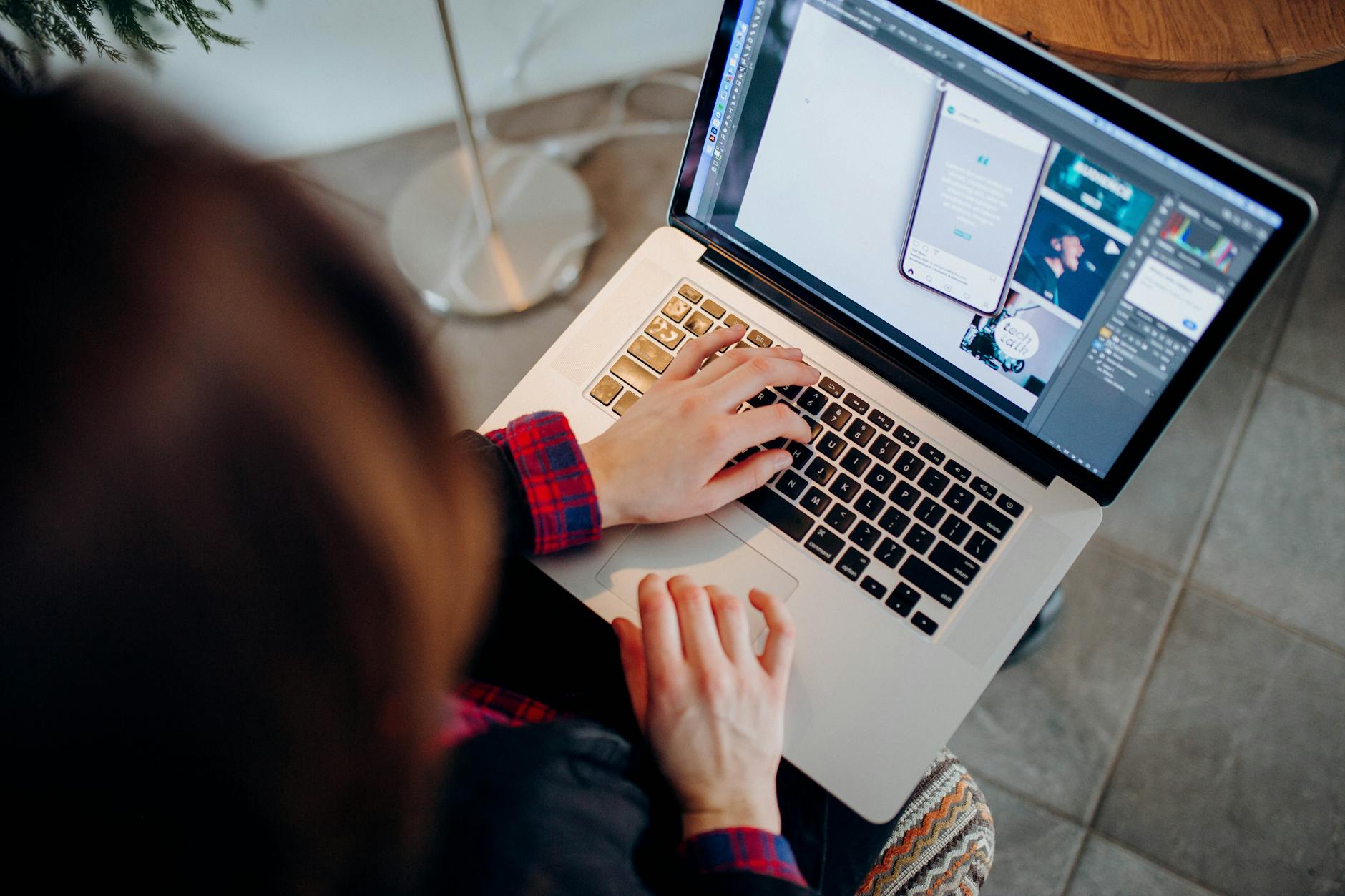
On 20 June 2024, Anthropic released Claude 3.5 Sonnet. The model upgrade itself was substantial: benchmark scores ahead of Claude 3 Opus on most reasoning evaluations, while running at the Sonnet price point of three US dollars per million input tokens and fifteen on output. The release pattern was unusual. The middle tier of the family had been upgraded; Opus and Haiku had not. Anthropic's public framing was that capability would now ship in whichever tier was ready first, rather than as a single coordinated family launch.
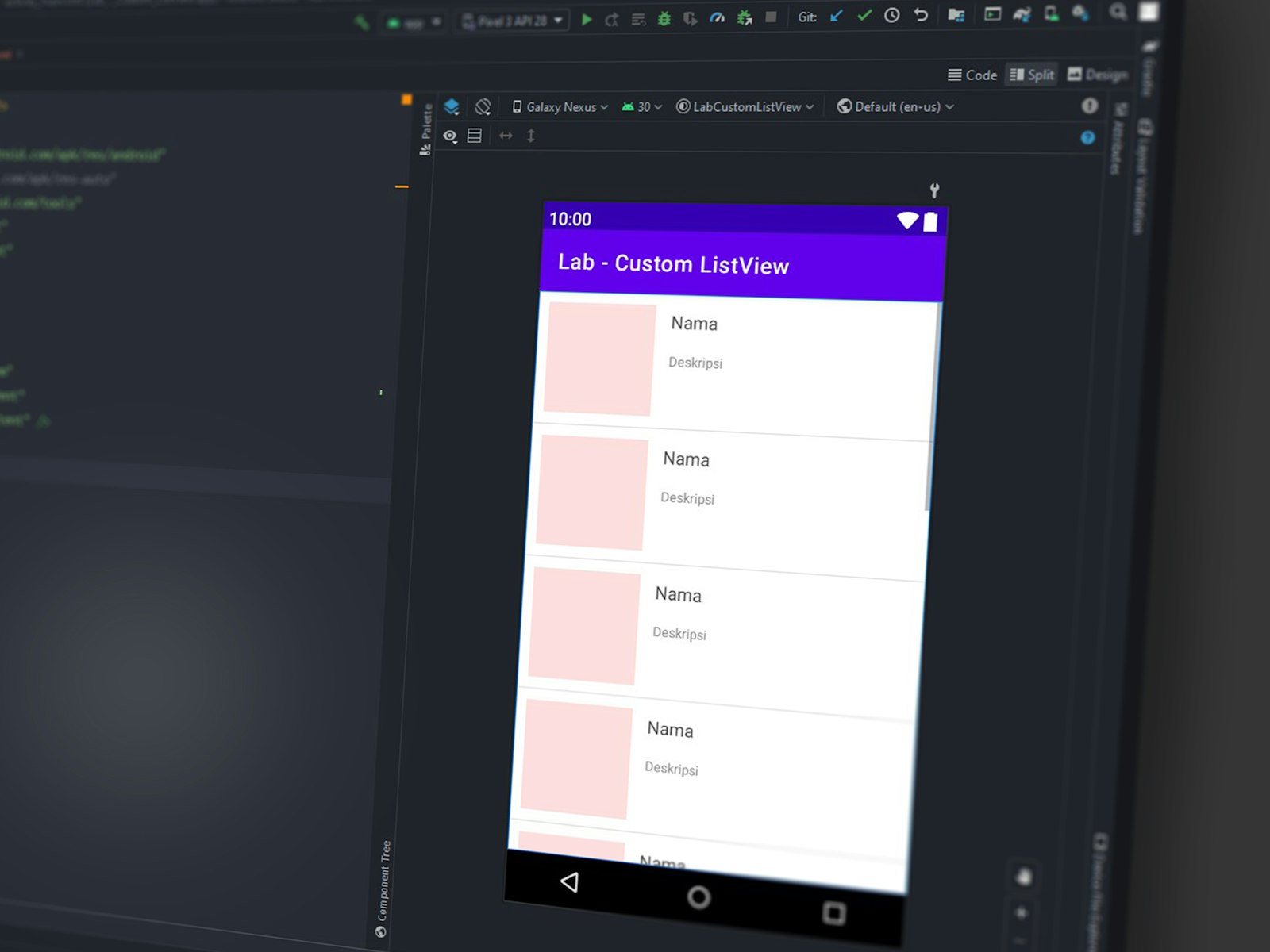
The same release introduced Artifacts. As Anthropic's product team wrote in a blog post that morning, Artifacts was a new pane in Claude.ai that surfaced model output with structure, code, documents, diagrams, into an editable canvas alongside the chat. As The Verge and Ars Technica observed in coverage that week, Artifacts was the first time a frontier-lab consumer product had treated model output as something other than a stream of text in a chat window.
Why it changed the working pattern
The shift was operational. Engineers who used Claude for coding had been copying outputs into local IDEs. Designers had been pasting markdown. Marketing teams had been screenshotting. Artifacts collapsed the round trip into the chat product. By the end of July, internal Anthropic data reported by The Information showed that more than half of paying Claude.ai users had used Artifacts at least once a week.
Putting model output into an editable canvas changed the working pattern overnight.
By the second half of 2024, Anthropic's enterprise revenue, reported by Bloomberg in October that year, had crossed an annualised one billion US dollars. Claude 3.5 Sonnet was the model behind a substantial fraction of that figure. Artifacts had become a feature pattern that competing products began to copy by the end of the year.

Discussion