My first flash sale: launching iPhone X in India
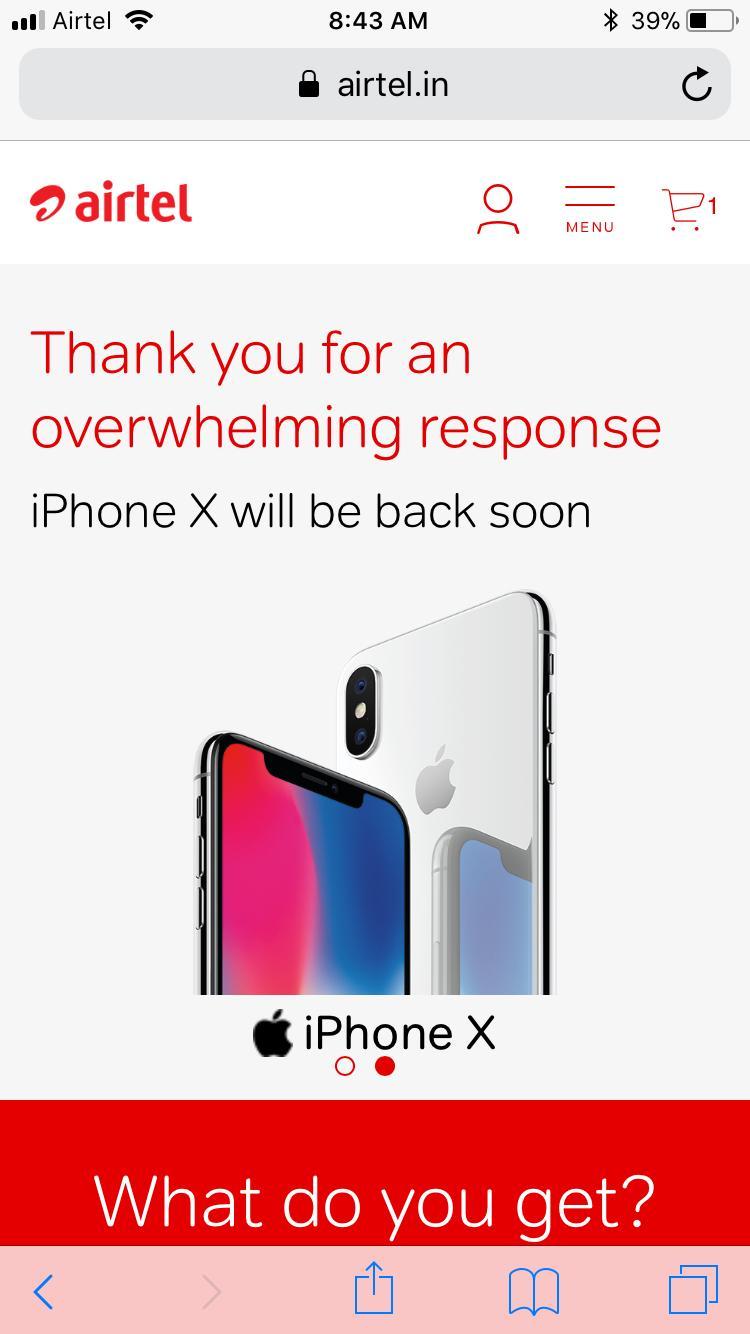
The plan looked tidy on paper. Apple set the global drop. Airtel had the exclusive postpaid bundle for India. Stock was allocated, retail partners were briefed, the website was load-tested. We had run through the failure modes more than once. We thought we were ready.
What actually happened
Demand for iPhone X in India in 2017 was theatrical. Stock cleared in minutes. The website had to handle a curve we had only seen in synthetic tests. The retail stores had queues forming the night before. And the operator pieces, things like activation, eSIM where applicable, postpaid plan provisioning, all had to behave under a load profile that none of them had been built for.
The bit I remember most is not the website graphs, although those were dramatic. It is the people on the team taking turns to sleep on a sofa in the Gurgaon office and coming back to a war room that was somehow always full. The whole thing felt like a launch, not a sale.
What I learned
Two things. First, on a flash sale, the bottleneck is never where the dashboard says it is. The website was fine. The activation pipeline downstream of the sale was the actual constraint and we had been measuring everything except that. Second, the post-launch hours matter more than the launch hour. The customers who buy in the first thirty seconds are the easy ones. The ones who get a delayed activation at hour six are the ones who write the reviews.
I am keeping the original short post in this archive because it was the kind of celebratory thank-you that flash-sale nights deserve. The teams pulled it off, the launch landed, and I learned more in that one weekend than I had in the previous quarter.
Discussion