What ChatGPT actually changed in week one
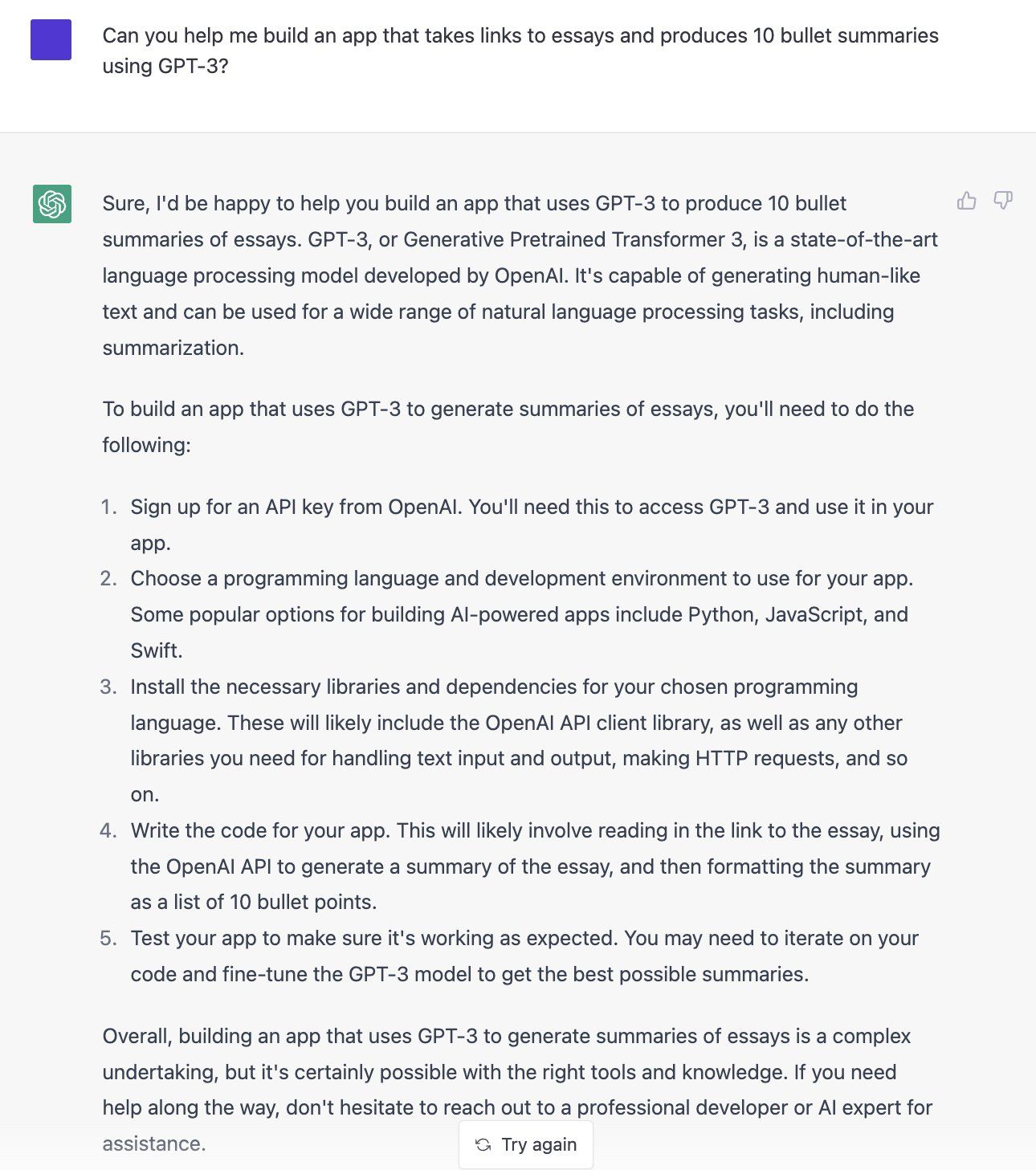
The technical capability behind ChatGPT was not new. GPT-3.5 had existed for over a year before the chat interface was added. Researchers had been using language models for several years. The capability was real and was getting better steadily, but it was confined to people who could pay for API access and were willing to engineer prompts manually. ChatGPT didn't add new capability. It added access. That's a different innovation than the one most of the launch coverage emphasised, and it's the more important one.
The interface insight
The thing that broke the access barrier was the chat interface - not as a UX gimmick, but as a fundamental reframing of how non-experts could approach the technology. You didn't need to be a programmer. You didn't have to learn a new tool. You typed in a question; you got a response. The format mapped to existing human conversation patterns, and the cognitive cost of using the system dropped to roughly zero. That cost reduction is what produced the hundred-million-user growth in the first weeks, not the underlying capability.
This pattern - existing capability plus radical interface change equals paradigm shift - is the modern history of computing. The internet existed for two decades before web browsers made it accessible. Smartphones existed in concept before the iPhone made the touchscreen pattern dominant. Each shift looks revolutionary when measured by adoption and incremental when measured by capability. The recognition that interface innovation can be more important than capability innovation is the durable lesson, and it's the one I'd emphasise more if I were rewriting the original post today.
What I got wrong in week one
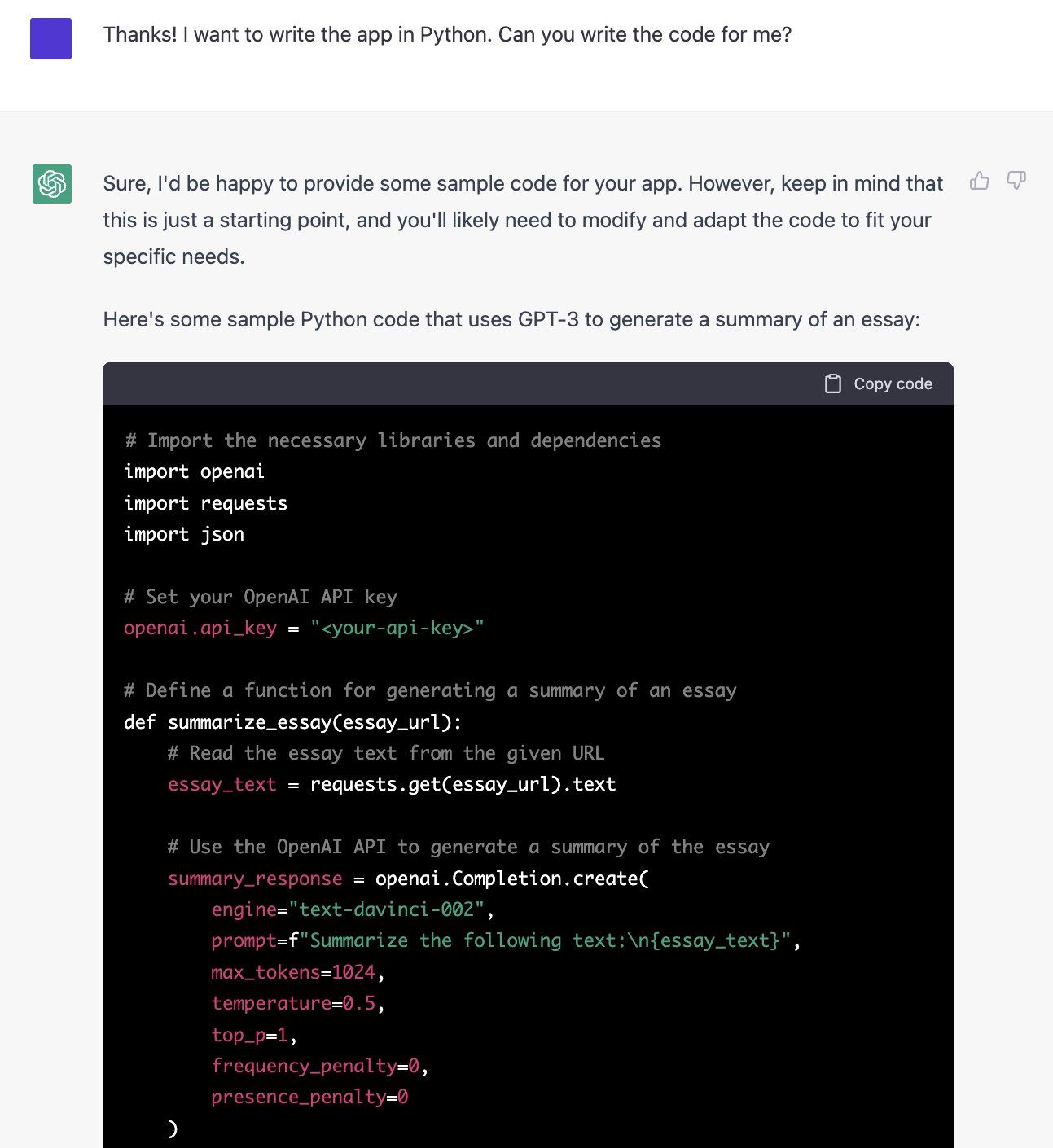
The post overstated the capability somewhat. Early ChatGPT hallucinated freely, was confidently wrong on basic questions, and had a context window of about four thousand tokens - large enough for casual chat, far too small for serious document work. The capability was less impressive in retrospect than the marketing made it seem. What was genuinely novel was the conversation paradigm. Everything else has improved since, by enormous margins. The interface insight has held up. The capability claims of week one needed asterisks I didn't add at the time.
I also overestimated how quickly enterprise use would follow consumer adoption. The post suggested that ChatGPT would change knowledge work immediately. The actual timeline was eighteen to twenty-four months for serious enterprise integration, because the security, compliance, and governance frameworks needed time to develop. The companies with mature ML governance adopted within months. The ones without spent a year blocking employee access while writing policy. The split was predictable in retrospect and not in the heat of week one.
The valuation reset
What I underestimated was the financial dimension. The launch reset every AI valuation in the market overnight. Pre-launch, generic AI startups commanded sub-10x revenue multiples. Post-launch, consumer-AI multiples were north of 50x. The market wasn't pricing the underlying capability - that had existed for two years without commanding similar valuations. It was pricing the interface insight, the access pattern, and the implicit recognition that consumer AI was suddenly a distinct category from B2B AI. The valuation step-change was the part I missed in week one, and it shaped the next two years of investment patterns more than any single capability advance did.
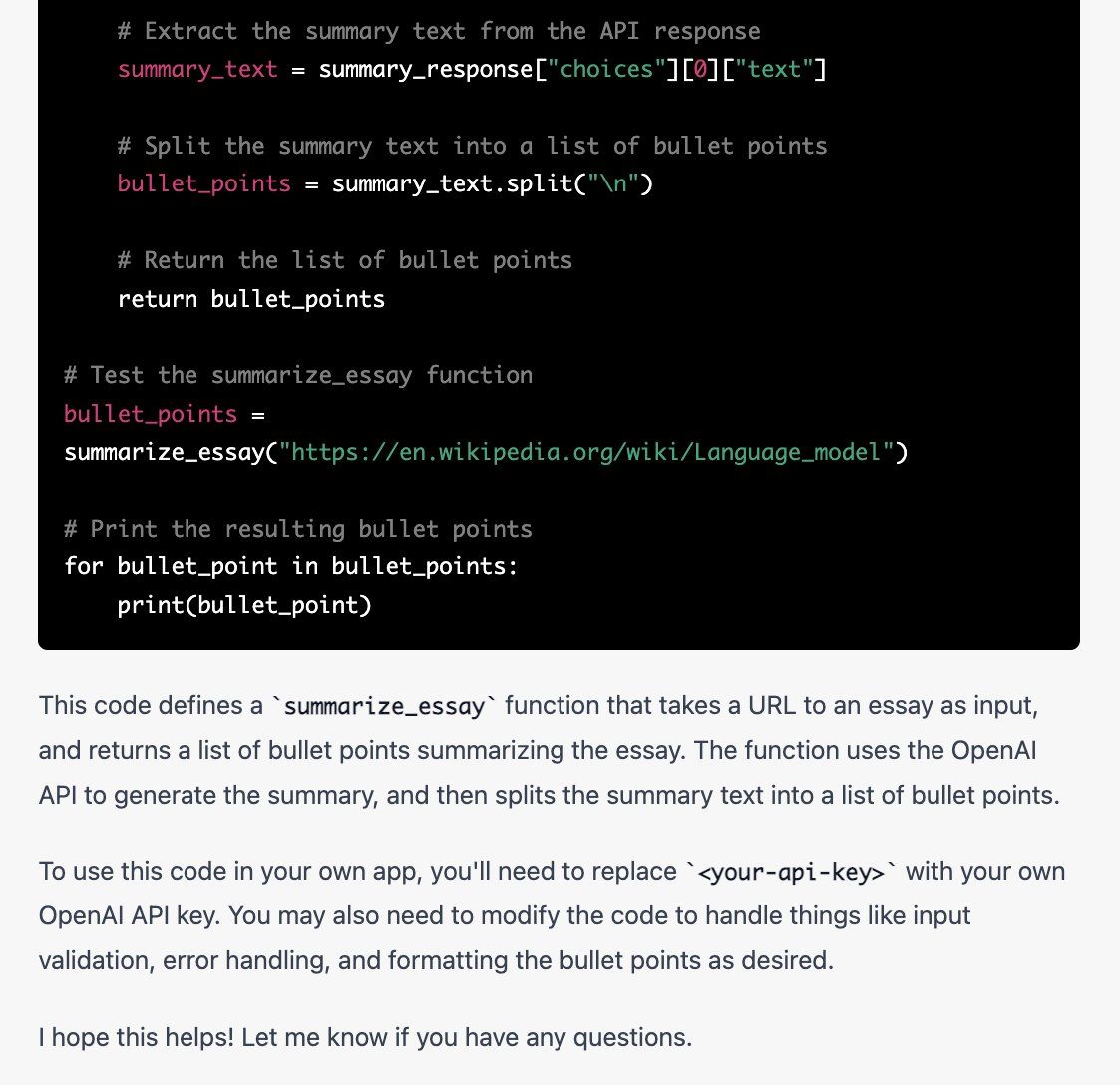
The companies that didn't move fast enough to acquire interface-focused AI talent in the first six months after launch lost three years catching up. This was not obvious at the time. The launch looked like an OpenAI story. It was actually a re-pricing event for the entire sector. The lesson - that a successful interface-driven launch can change the cost structure of an entire market - has applied multiple times since, most recently in the agentic-AI wave.
ChatGPT didn't add new capability. It added access. That's the more important innovation.
The trade-press confusion
Reading the trade press from launch week is instructive. Coverage was wildly inconsistent. Roughly half the pieces were 'just a chatbot, novelty wears off' and roughly half were 'civilisational moment'. Almost none were calibrated. The honest position three years later is closer to the second than the first, but neither was quite right at the time. The actual story is messier and more interesting than either headline - a transformative interface innovation on top of a still-immature capability, which over twelve to twenty-four months matured into something genuinely different.
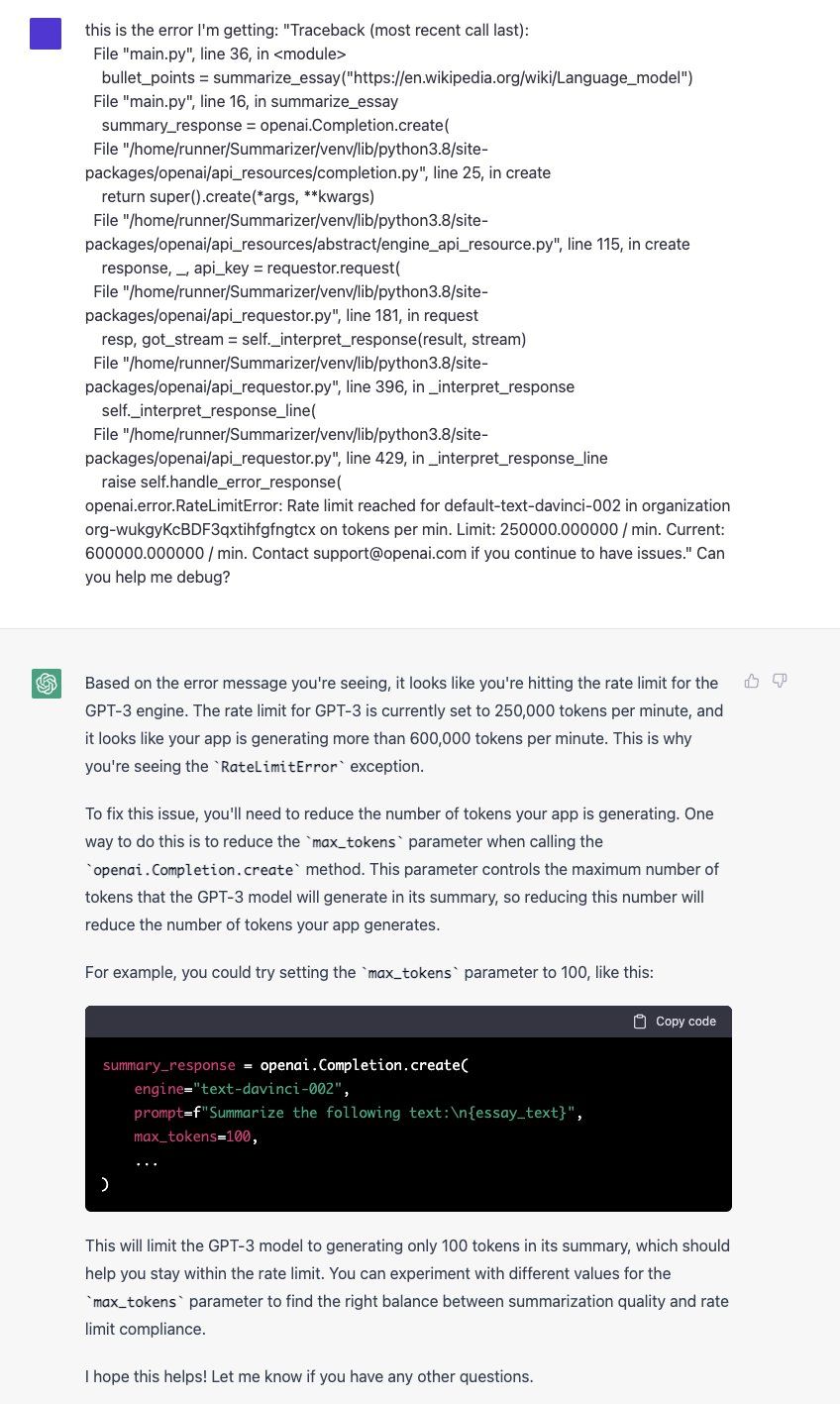
This calibration problem repeats with every major AI release. The press, the social-media commentary, the conferences are all polarised between hype and dismissal. The middle position - that the release matters more than dismissal suggests but less than hype suggests, and the timeline of impact is longer than the immediate coverage implies - is the one that's aged best for almost every release I can think of. Adopting that calibration as a default frame is part of what reading the launch week from a distance has taught me.
What the original post got right
The core observation about accessibility has held up. The natural-language interface did democratise programming-adjacent capabilities in ways that mattered. Non-technical professionals can now produce code that works for narrow tasks. This was genuinely new in week one and has only become more important since. The framing of 'simple English instructions' was correct, even if the capability of those instructions was less than I implied at the time. The democratisation has continued and accelerated, and the people who benefited most were the ones who took the launch seriously rather than dismissing it.
The bigger pattern from week one that I still believe in: every decade has its 'forever changed' moment. Internet 1995, smartphone 2007, ChatGPT 2022. Each was real. Each took longer to play out than the initial excitement suggested. Each rewarded the people taking the long view over those panicking at the quarterly cadence. The current AI moment is on the same trajectory, and the patient view has aged better than the urgent one in every case. That's the lesson I'd most want to take forward from the experience of reading my own week-one post three years later.



Discussion